

Introduction
Cryptocurrency has become one of the most popular investment opportunities in the world. Every day, millions of people participate in crypto markets, either through active trading, where they buy and sell assets frequently, or through passive investing, where they hold cryptocurrencies for the long term. Crypto, everyone wants to trade either passively or actively. This is good because crypto trading is a good form of investment but one need to be careful before venturing into crypto trading.
Why is it so important to be careful before trading cryptocurrency?
Imagine this.
You wake up one Saturday morning, scroll through social media, and come across a post that catches your attention.
“I turned $500 into $25,000 in just three weeks! DM me to learn how.”
The comments are filled with people thanking the “expert” for changing their lives. There are screenshots of huge profits, luxury cars, expensive vacations, and smiling investors claiming they achieved financial freedom.
Curious, you click the profile.
The account looks legitimate. Thousands of followers. Daily trading updates. Professional branding. Even testimonials from “happy clients.”
A week later, you’ve invested your savings.
Two weeks later, the website disappears.
The Telegram group is gone.
The “expert” blocks you.
Your money is gone forever.
Unfortunately, this isn’t fiction.
Stories like this happen every single day, making crypto scams one of the fastest-growing forms of financial crime worldwide. As cryptocurrencies become more mainstream in 2026, scammers are becoming smarter, more organized, and far more convincing than ever before.
The good news is that most scams follow predictable patterns. Once you understand how they work, they become much easier to recognize.
This guide explores the common crypto scams investors face in 2026, explains why intelligent people still fall victim to them, and provides practical strategies to help you avoid cryptocurrency fraud before it costs you money.
Why Crypto Scams Continue to Grow
Cryptocurrency offers incredible opportunities. People can transfer money globally within minutes, invest without traditional banks, and participate in innovative financial systems.
Unfortunately, these same features also attract criminals. Unlike traditional bank transfers, cryptocurrency transactions are generally irreversible. Once funds are sent to a scammer’s wallet, recovering them is extremely difficult.
Think of cryptocurrency like sending cash in a sealed envelope. Once you’ve dropped it into the mailbox, you can’t ask the postal service to retrieve it halfway through delivery.
That speed and finality make digital assets attractive not only to investors but also to fraudsters.
Why Smart People Fall for Cryptocurrency Fraud
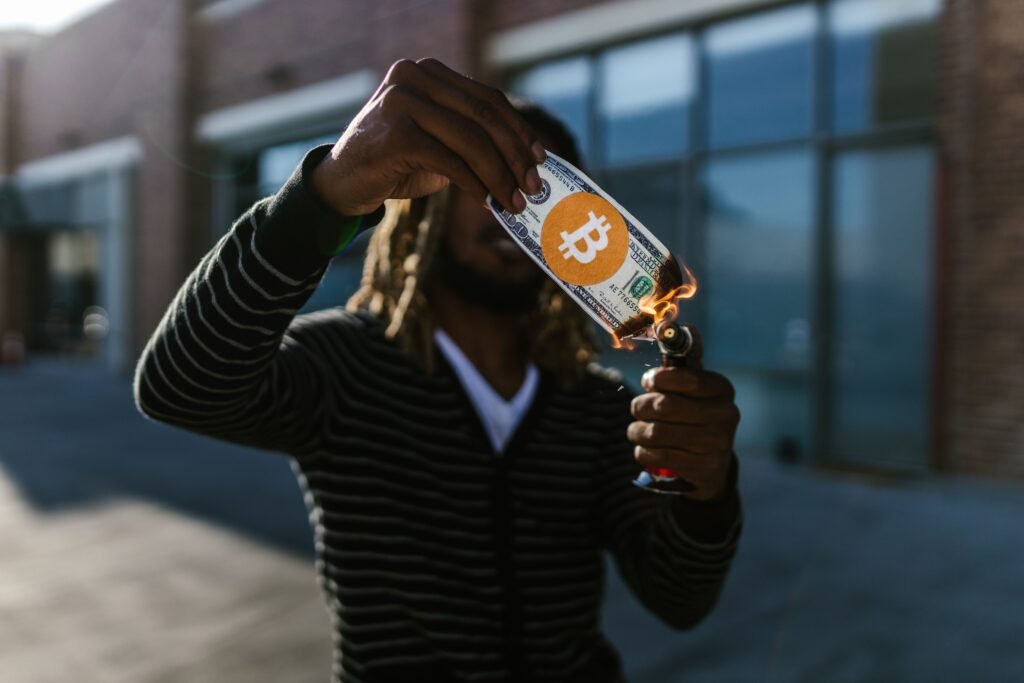
Many people assume victims are careless or inexperienced. That’s rarely true. Scammers don’t just attack technology.
Every year, highly educated professionals, business owners, engineers, investors, and technology experts lose millions of dollars to cryptocurrency scams.
Many of these individuals are intelligent, financially successful, and capable of recognizing risks in other areas of life.
So why do smart people fall for crypto fraud? The answer lies not in intelligence, but in psychology. Cryptocurrency fraudsters understand human behavior. They exploit emotions such as fear, greed, urgency, trust, and curiosity. They combine these with sophisticated technology, professional marketing, and convincing stories.
They know people respond to:
- Fear of missing out (FOMO)
- Greed
- Urgency
- Authority
- Curiosity
- Trust
Imagine you’re shopping online and see a laptop normally worth $2,000 selling for only $300—but only for the next five minutes.
Your brain stops analyzing.
It starts reacting.
Crypto scammers create the same emotional pressure.
Whenever emotions become stronger than logic, risk increases dramatically.
1. Fake Investment Platforms
Fake Investment Platforms are fraudulent websites, mobile applications, or online services that pretend to offer legitimate investment opportunities but are designed to steal money from unsuspecting individuals. These platforms often claim to provide high returns with little or no risk, attracting investors through persuasive advertisements, social media promotions, fake testimonials, and fabricated success stories. They may imitate well-known financial institutions or create professional-looking interfaces to appear trustworthy and credible.
The operators of fake investment platforms typically encourage victims to deposit money into accounts with promises of profits from activities such as cryptocurrency trading, forex trading, stock investments, or real estate ventures. In some cases, victims may initially see fake profits displayed on their accounts, which are used to build confidence and encourage larger investments. However, when investors attempt to withdraw their funds, they are often faced with excuses, unexpected fees, delays, or complete loss of access to their accounts.
Fake investment platforms are a form of financial scam that can result in significant financial losses. To avoid becoming a victim, individuals should verify the platform’s regulatory status, research the company thoroughly, be cautious of guaranteed returns, and seek advice from licensed financial professionals before investing. Awareness and careful due diligence are essential for protecting oneself from such fraudulent schemes. Unfortunately, this remains one of the biggest online investment scams in 2026.
Here’s how it usually works.
You discover an investment website promising daily returns of 2% to 5%.
The platform looks professional.
It includes:
- Live price charts
- Fake customer reviews
- Withdrawal history
- Customer support
- Mobile apps
- Security badges
Everything appears legitimate.
You invest $500.
A few days later, your dashboard shows $650.
You become excited.
You invest another $5,000.
The profits continue growing.
Then you decide to withdraw.
Suddenly…
- Your account requires a verification fee.
- Customer support stops responding.
- Your account is frozen.
- The website disappears.
Practical Example
Think of it like a beautifully decorated restaurant with no kitchen.
The decorations convince customers to enter.
But no real business exists behind the scenes.
That’s exactly how fake investment platforms operate.
How to Identify Crypto Scams Like This
Before investing:
- Research independent reviews.
- Check whether withdrawals have been verified by real users.
- Look up the company registration.
- Verify how long the domain has existed.
- Be suspicious of guaranteed profits.
Remember: No legitimate investment can guarantee consistent high returns.
2. Celebrity Giveaway Scams
Celebrity Giveaway Scams are fraudulent schemes in which scammers impersonate famous celebrities, influencers, business leaders, or public figures to trick people into sending money, personal information, or cryptocurrency. These scams are commonly promoted through social media platforms, fake websites, emails, and messaging apps, claiming that the celebrity is giving away cash, prizes, gifts, or investment opportunities. Victims are often asked to pay a small fee, provide sensitive information, or send money to receive a larger reward. In reality, no legitimate giveaway exists. Celebrity giveaway scams exploit trust in public figures and can lead to financial loss and identity theft.
This is one of the oldest Bitcoin scams, yet thousands of people still fall for it every year.
A fake livestream appears on YouTube or another social platform featuring a well-known entrepreneur, crypto founder, or influencer.
A message on the screen says:
“Send 0.5 BTC and receive 1 BTC back.”
Or:
“Limited anniversary giveaway.”
Thousands of viewers appear to be watching.
The livestream seems authentic.
In reality:
- The video is pre-recorded.
- Viewer counts are fake.
- Wallet addresses belong to scammers.
The moment you send cryptocurrency…
It’s gone.
To Illustration This:
Imagine someone placing a donation box outside a famous charity’s building. The logo on the donation box is identical. The volunteers wear matching shirts. Everything looks authentic.
But the money never reaches the charity.
That’s exactly what these giveaway scams accomplish.
3. Romance Crypto Scams
Romance Crypto Scams are a type of online fraud in which criminals build fake romantic relationships with individuals to gain their trust and persuade them to invest in fraudulent cryptocurrency schemes. Scammers typically contact victims through dating websites, social media platforms, messaging apps, or online forums. Over time, they establish an emotional connection, often expressing affection, commitment, or plans for a future together.
Once trust has been established, the scammer introduces what appears to be a lucrative cryptocurrency investment opportunity. They may claim to have insider knowledge, successful trading strategies, or access to exclusive investment platforms that generate high returns. Victims are encouraged to invest small amounts initially and may even be shown fake profits to convince them that the investment is legitimate. As confidence grows, the scammer pressures the victim to invest larger sums of money.
In reality, the investment platform is fake, and the funds are controlled by the scammers. When victims attempt to withdraw their money, they are often asked to pay additional fees or taxes, or they lose access to their accounts entirely. Romance crypto scams can cause severe financial losses and emotional distress. To protect themselves, individuals should be cautious of online relationships that quickly involve financial discussions and should thoroughly verify any investment opportunity before sending money. These scams are becoming increasingly sophisticated.
To Illustration This:
A stranger contacts someone through:
- Dating apps
Weeks pass.
Conversations become personal.
Trust develops naturally.
Eventually, investing comes up.
“I’ve been making incredible profits through crypto.”
“I can teach you.”
The victim joins an investment platform recommended by the scammer.
Small profits appear.
More investments follow.
Months later, everything disappears.
This form of cryptocurrency fraud is particularly devastating because victims lose both money and emotional trust.
Warning Signs
- They avoid video calls.
- They quickly discuss investing.
- They pressure you to act.
- They insist on using one platform.
Be careful, healthy relationships rarely begin with investment advice.
4. Fake Crypto Wallets and Mobile Apps
Fake Crypto Wallets and Mobile Apps are fraudulent cryptocurrency applications designed to steal users’ digital assets, personal information, or login credentials. These fake wallets and apps often imitate legitimate cryptocurrency platforms, using similar names, logos, and designs to appear trustworthy. They may be distributed through unofficial websites, app stores, social media advertisements, or phishing links.
Once installed, these apps can trick users into entering private keys, recovery phrases, passwords, or transferring cryptocurrency to scam-controlled addresses. In some cases, they display false account balances or fake transaction histories to deceive victims. To avoid these scams, users should download apps only from trusted sources, verify developers’ credentials, and never share private keys or recovery phrases with anyone. Always remember, not every wallet available online is legitimate.
Some fake wallet applications copy:
- Names
- Logos
- User interfaces
Their goal is simple, which is to convince users to enter their recovery phrase.
Once entered…
The scammers immediately gain access to every asset inside the wallet.
Analogy
Your recovery phrase is like the master key to your entire house, would you hand that key to a stranger because they wore a convincing uniform?
Probably not.
Treat your recovery phrase with the same level of protection. Never share it with anyone. Not even customer support.
5. Phishing Websites
Phishing Websites are fraudulent websites designed to deceive users into revealing sensitive information such as usernames, passwords, bank account details, credit card numbers, or cryptocurrency wallet credentials. These websites are created to closely resemble legitimate websites belonging to banks, online retailers, government agencies, social media platforms, or other trusted organizations. Cybercriminals typically direct victims to phishing websites through deceptive emails, text messages, social media posts, advertisements, or fake search engine results.
Once a victim visits a phishing website, they are often prompted to log in, verify their account, update payment information, or complete a security check. Any information entered is captured by the scammers and may be used for identity theft, financial fraud, unauthorized account access, or other cybercrimes. Some phishing websites may also install malicious software on a victim’s device without their knowledge.
Phishing websites are effective because they exploit trust, urgency, and fear. Scammers frequently use alarming messages, such as warnings about account suspension or suspicious activity, to pressure victims into acting quickly without verifying the website’s authenticity.
To protect against phishing attacks, users should carefully check website URLs, look for security indicators, avoid clicking suspicious links, enable multi-factor authentication, and verify requests for sensitive information directly with the legitimate organization. Awareness and caution are essential defenses against phishing website scams.
To Illustration This:
Imagine searching for your favorite crypto exchange. The first result looks correct. Same colors. Same logo. Same layout.
There’s only one tiny difference.
Instead of:
exchange.com
The scam website uses:
exchange-login.com
or
excharnge.com
Notice the extra letter?
Most people don’t.
After logging in, scammers immediately capture:
- Passwords
- Two-factor authentication codes
- Wallet access
The main point is:
Always double-check website addresses before entering sensitive information. Better yet, bookmark official websites instead of searching for them each time.
6. Pump-and-Dump Schemes
Pump-and-Dump Schemes are fraudulent investment scams in which individuals or groups artificially inflate, or “pump,” the price of a financial asset by spreading misleading, exaggerated, or false information to attract investors. These schemes are commonly associated with low-value stocks, cryptocurrencies, and other lightly traded assets that can be easily manipulated.
The scammers typically purchase large amounts of the asset at a low price before promoting it through social media, online forums, messaging apps, emails, or influencer endorsements. They create excitement and a false sense of demand by making unrealistic claims about the asset’s future value, potential profits, or upcoming developments. As more investors buy into the hype, the asset’s price rises rapidly.
Once the price has increased significantly, the scammers sell their holdings at a profit, a process known as the “dump.” This sudden selling often causes the asset’s value to collapse, leaving unsuspecting investors with substantial financial losses. Victims are usually unable to recover their investments because the price drops sharply after the scammers exit the market.
Pump-and-dump schemes are illegal in many jurisdictions because they involve market manipulation and deception. Investors can protect themselves by conducting independent research, being skeptical of investment hype, avoiding guarantees of quick profits, and verifying information from credible and regulated financial sources before making investment decisions. These schemes have existed in stock markets for decades. Cryptocurrency simply made them easier.
Here’s the pattern:
Step 1
A group secretly buys a low-value token.
Step 2
Influencers begin promoting it aggressively.
“This coin will explode!”
“100x potential!”
Step 3
Thousands of investors rush to buy.
Prices skyrocket.
Step 4
The original buyers quietly sell.
Prices collapse.
Everyone else is left holding worthless tokens.
To protect yourself, conduct independent research, be skeptical of investment hype, avoid guarantees of quick profits, and verify information from credible and regulated financial sources before making investment decisions.
7. AI Deepfake Investment Scams
AI Deepfake Investment Scams are fraudulent schemes that use artificial intelligence (AI) technology to create realistic fake videos, audio recordings, or images of trusted individuals, such as celebrities, business executives, financial experts, or public figures, to promote fake investment opportunities. These deepfakes are designed to deceive people into believing that the featured individual endorses a particular cryptocurrency, stock, trading platform, or investment program.
Scammers distribute deepfake content through social media, websites, online advertisements, and messaging platforms to gain victims’ trust. The fabricated endorsements often promise guaranteed profits, exclusive investment opportunities, or unusually high returns with little risk. Once victims invest their money, the scammers either steal the funds directly or direct them to fraudulent investment platforms.
AI deepfake investment scams are particularly dangerous because the content can appear highly authentic and convincing. To avoid becoming a victim, individuals should verify investment claims through official sources, be skeptical of guaranteed returns, and carefully research any investment opportunity before committing funds. Awareness and critical evaluation are essential defenses against these increasingly sophisticated scams.
Without careful attention, even experienced investors may struggle to tell the difference.
Always verify announcements through official company websites and verified social media accounts.
8. Fake Recovery Services
Fake Recovery Services are fraudulent operations that target individuals who have already lost money to scams, cybercrime, fraudulent investments, or cryptocurrency theft. These scammers falsely claim they can recover lost funds, track stolen assets, or help victims obtain compensation in exchange for upfront fees or personal information. They often exploit the desperation and emotional vulnerability of people seeking to recover their losses.
Fake recovery services commonly contact victims through emails, phone calls, social media messages, online advertisements, or websites that appear professional and legitimate. They may pretend to be legal experts, cybersecurity specialists, government officials, financial investigators, or representatives of recovery agencies. To gain trust, they often make unrealistic promises, such as guaranteed fund recovery or rapid results.
Victims are typically asked to pay advance fees for investigations, legal processes, taxes, insurance, or administrative costs. In some cases, scammers request sensitive personal or financial information, which can lead to further fraud or identity theft. After receiving payment or information, the fraudsters either disappear or continue demanding additional fees without delivering any recovery services.
Fake recovery services are especially harmful because they target individuals who have already suffered financial losses. Ironically, many victims lose money twice. After falling victim to a scam, they search online for help recovering lost cryptocurrency.
Soon another company contacts them.
“We’ve traced your funds.”
“We can recover everything.”
“Just pay an investigation fee.”
The recovery company is another scam.
To protect themselves, victims should be cautious of unsolicited recovery offers, verify the credentials of any recovery company, avoid paying upfront fees, and report suspected scams to the appropriate law enforcement or regulatory authorities. Awareness and due diligence are crucial in preventing further victimization.
Legitimate investigators rarely guarantee successful fund recovery or demand large upfront payments.
A Simple Checklist to Identify Crypto Scams
Whenever you’re considering an investment, pause and ask yourself these questions:
✔ Are returns guaranteed?
✔ Am I being pressured to act immediately?
✔ Is someone asking for my recovery phrase?
✔ Is the company transparent?
✔ Can I verify independent reviews?
✔ Is there a legitimate business behind the project?
✔ Have I researched beyond social media?
If you answer “yes” to any suspicious question, stop and investigate further before sending money.
Practical Steps to Avoid Cryptocurrency Fraud
Knowing the scams is only half the battle. The other half is building habits that protect you every day. The following suggested steps can help:
1. Slow Down
Scammers thrive on urgency.
Whenever someone says:
“Today only.”
“Act now.”
“Limited opportunity.”
Pause.
Legitimate investments will still be there tomorrow.
2. Enable Two-Factor Authentication (2FA)
Use an authenticator app rather than SMS where possible. Even if someone learns your password, 2FA adds another layer of protection.
3. Never Share Your Recovery Phrase
Treat it like the combination to a vault. No legitimate company, wallet provider, or exchange employee needs it.
4. Verify Before You Trust
Cross-check announcements on official websites, verified social media accounts, and reputable news outlets. Don’t rely on screenshots or forwarded messages.
5. Start Small
If you’re trying a new platform, test it with a small amount first. Never invest money you can’t afford to lose, especially on unfamiliar services.
6. Diversify Your Investments
Putting all your money into one coin, one platform, or one strategy increases risk. Diversification won’t stop a scam, but it can reduce the damage if something goes wrong.
7. Keep Learning
The tactics behind common crypto scams evolve every year. Follow trusted educational resources, stay informed about new fraud techniques, and make cybersecurity part of your investment routine.
What to Do If You Think You’ve Been Scammed
If you suspect you’ve fallen victim to Bitcoin scams or another form of cryptocurrency fraud, act quickly:
- Stop sending any additional funds—even if the scammer promises you’ll recover your money.
- Secure your remaining accounts by changing passwords and enabling 2FA.
- Move any remaining crypto to a new wallet if you believe your wallet has been compromised.
- Report the incident to the platform involved and to your local law enforcement or cybercrime reporting agency.
- Warn friends or family if the scam spread through your social media or messaging accounts.
While recovering stolen cryptocurrency can be difficult, acting quickly may help limit further losses.
In conclusion,
Cryptocurrency is not the problem. Scammers are.
The same technology that enables fast, borderless transactions also attracts criminals looking to exploit trust, excitement, and inexperience. The best defense isn’t fear—it’s education.
As you continue your investment journey, remember that legitimate opportunities rarely rely on pressure, secrecy, or guaranteed profits. If an offer sounds too good to be true, it almost certainly is.
By learning how to identify crypto scams, questioning extraordinary promises, verifying information independently, and following the practical habits outlined in this guide, you can dramatically avoid cryptocurrency fraud and invest with greater confidence.
In the world of digital assets, your greatest investment isn’t just Bitcoin or another cryptocurrency—it’s your ability to think critically before clicking “Send.”
Because in crypto, a few extra minutes of research today can save you years of financial regret tomorrow.
References
1. U.S. Securities and Exchange Commission (SEC)
The SEC advises investors to carefully evaluate cryptocurrency investments due to their volatility, speculative nature, and potential for fraud.
Source:
Home | Investor.gov
2. Financial Conduct Authority (FCA)
The FCA warns that crypto assets are high-risk investments and investors should be prepared to lose all their invested capital.
Source:
Financial Conduct Authority | FCA
3. Investopedia
Investopedia defines cryptocurrency trading as a high-risk investment activity due to significant price fluctuations and market uncertainty.
Source:
Investopedia
4. CoinMarketCap Academy
Cryptocurrency markets operate 24/7 and are often characterized by rapid price movements, making risk management and investor education essential.
Source:
academy.coinmarketcap.com
5. World Economic Forum
The World Economic Forum highlights both the opportunities and risks associated with digital assets, emphasizing the need for investor awareness and responsible participation.
Source:
The World Economic Forum
Related Article
Bitcoin, Ethereum, and Altcoins Latest Update (19 July 2026) – forgewealth.org

One thought on “The Most Common Crypto Scams in 2026 and How to Avoid Them.”